
Understanding the costs of managing a system is crucial. When you’re planning to put in a new septic tank and leach field, or even replace the one you have, being aware of the expenses that are likely to be involved can help you budget efficiently and prevent any unexpected costs along the way. There are various factors that contribute to the septic replacement cost.
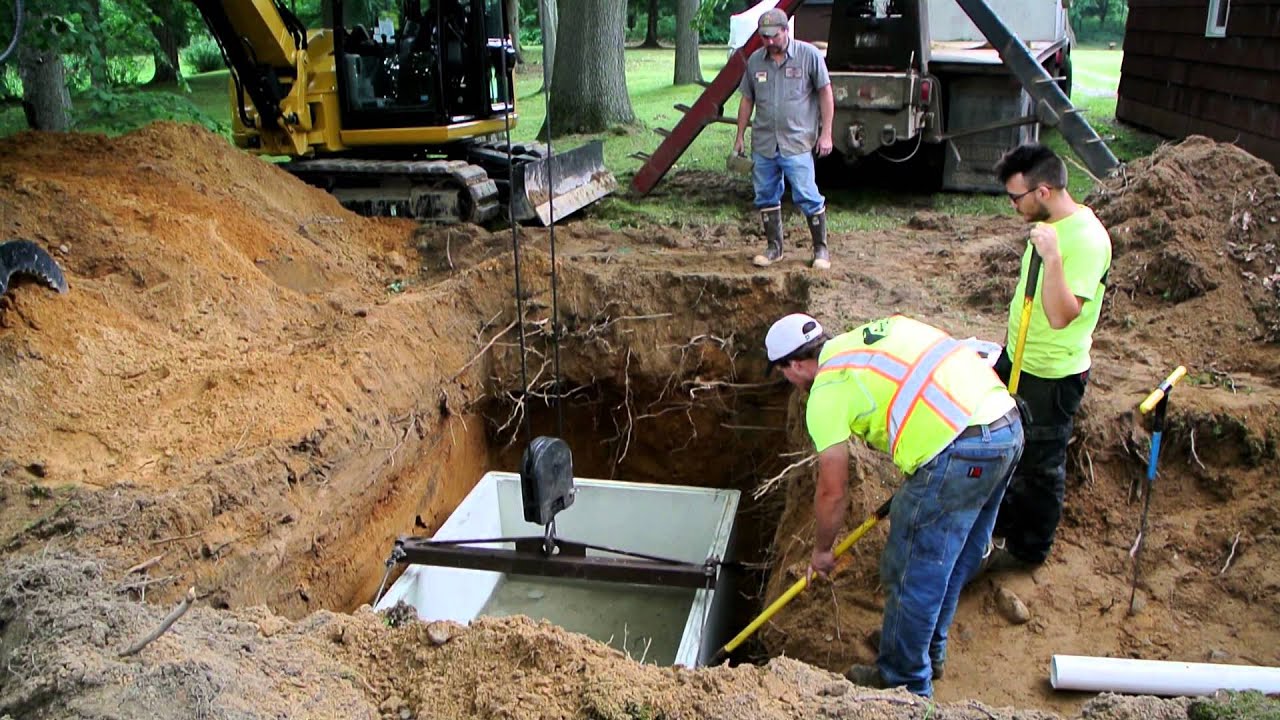
The price of installing the septic tank as well as the leach field can vary significantly depending on several key factors. One of the most important considerations is the size of the septic system required. The price of a septic system is likely to be greater for larger homes or buildings that consume more water. In addition, the soil conditions and topography of the land will affect the difficulty of the installation process, and consequently, the cost. The soil conditions can be challenging and may require additional excavations or specially designed treatment methods. This can increase the price.
The kind of leach field and septic tank you select will also influence the cost. The price of different design and materials varies. Concrete tanks are less expensive than other options, such as plastic or fiberglass tanks. Advanced treatment systems and eco green alternatives can be expensive, but they do offer advantages such as improved wastewater treatment or increased water conservation.
The initial expenditure on a septic system and leachfield is crucial, but it’s also essential to factor in the cost of maintenance and eventual replacement expenses. Septic tanks are designed to last of about 25 to 30 years, contingent on the usage of the tank, maintenance requirements, and materials used. As time passes the tank could require repairs or even replacement. When determining the cost for replacement of a septic tank you need to take into account not just the cost of the tank, but also its associated labor and any upgrades required in order to be compliant with current regulations.
The price of replacing a septic tank is contingent on its dimensions, the type of tank and its complexity. In certain situations to take down the old tank and dispose of it appropriately, as well as prepare the area for the new installation. If there have been changes to regulations from the time of the initial installation of the septic tank it may be more expensive to make the system conform to code.
It is vital to take care of your septic tank and have it regularly inspected. This will help you avoid costly expenses and ensure that the replacement process is carried out smoothly. Routine inspections can identify possible issues earlier which allows for quick repairs that can extend the lifespan of the tank. It is vital to periodically flush the tank prevent the accumulation of solids.
In order to ensure you receive the best price for your new or replacement septic system, make sure to look at quotes from reliable contractors. Comparing these estimates will give you an accurate picture of the average cost in the area you live in and help make a better decision. Find out about any warranties or guarantees that the contractor may offer on the work they perform and the products they use.
Understanding the septic tank replacement costs and the total septic system cost is crucial for property owners and homeowners. When you consider factors like dimensions, materials, soil conditions, and possible long-term costs it is possible to plan for the construction or replacement of a septic tank or leach field. Regularly scheduled inspections, maintenance, and proper maintenance are the key in extending the life of your system and cutting down on future costs. Make sure to invest in an efficient septic system does not only ensures that your wastewater is properly managed, but will also increase the overall efficiency and value of your property.