
Hydraulic shoring is an integral component of civil engineering projects and other construction-related endeavors. As the demand for special hydraulic shoring systems grows, understanding the various types of hydraulic walls available today is crucial. These systems offer numerous advantages that surpass traditional designs. Modern hydraulic shoring systems can boost durability and safety which makes your work more successful and making your employees more secure.
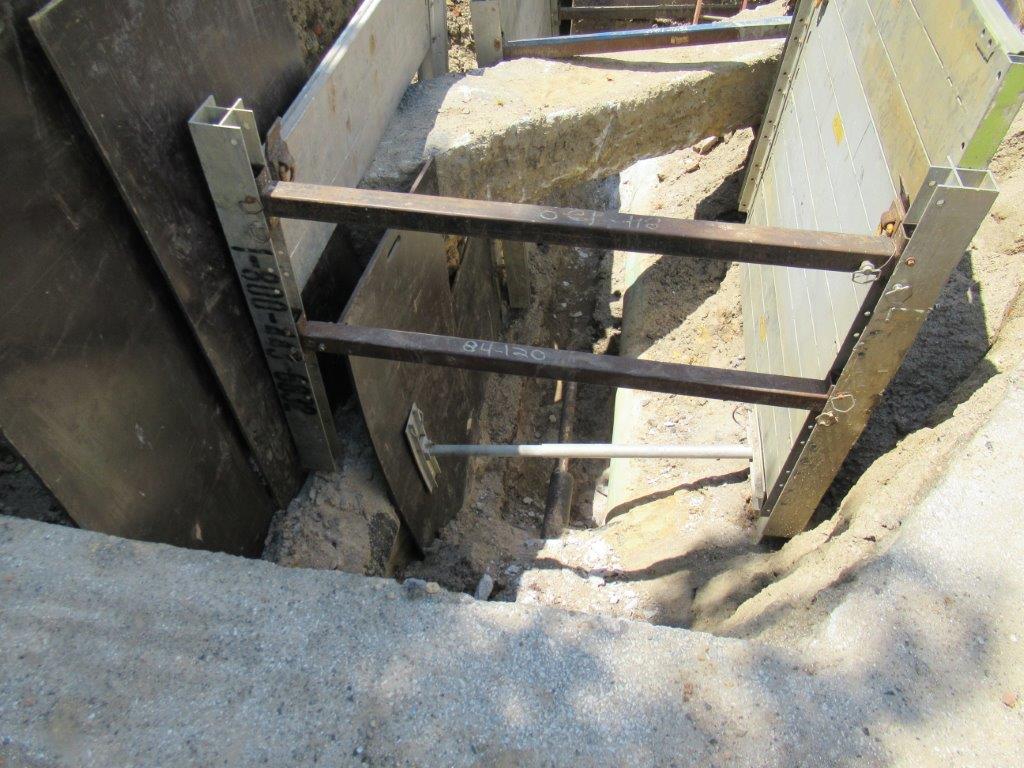
Due to their value for money as well as their effectiveness for protecting trench workers Aluminum hydraulic shoring has been in use for over 40 years. In contrast to traditional trench boxes that aren’t always able to prevent collapse, these systems focus on reducing the walls of trenches to provide greater stability. They are lightweight, portable and lower-cost alternatives to trench boxes make shoring easier. Aluminum hydraulic shoring is a solid choice for any work site. It gives workers safety and peace of mind without breaking the bank.
Hydraulic systems are essential to ensure the security of massive structures. These systems use pressurized fluids, like water or oil for moving objects across ports. They are suitable in applications that require precision force. This kind of system is generally comprised of a pumps powered by an electric motor, a reservoir to store the source of the fluid and valves to control the flow of the medium and the various pipes that are used to transport it throughout the system. Engineers can create powerful outputs by controlling the pressure inside these components while ensuring security. A hydraulic system is crucial to support large-scale construction projects.
Any construction worker that has to operate around underground utility lines in order to work safely and quickly should look into investing in a hydraulic-shoring system. The hydraulic shoring solution provides both horizontal and vertical support, as well as the ability to be adjusted when digging. Hydraulic shoring lets workers traverse tight areas like trenches with ease and with greater certainty. Teams also can cut down on work time significantly because they do not have to employ other stabilization techniques, for example, nailing panels together or using plumbing column packs. These steps can be avoided by simply rotating to place each component.
Contractors who are responsible for different excavation projects will discover hydraulic shoring systems a valuable instrument. These systems can endure extreme weather conditions such as flooding, and yet remain secure. The ability to alter the design of hydraulically-driven shoring helps reduce setup and dismantling times substantially, since it can be quickly adjusted to match the particular project. In addition, as they typically don’t require additional components or labor, they’re generally more affordable as compared to other alternatives. Hydraulic shoring systems give full protection against cave-ins and face damage while optimizing floor levels which makes them the ideal solution to a range of structural building tasks. Hydraulic shoring offers a number of advantages. They are versatile, efficient and suitable for various applications. Hydraulic Shoring is a fantastic option for those looking for high-quality shoring.
For more information, click Hydraulic Shoring